trinka logo Vol 1 | Sept 2025
Academic Integrity Newsletter
If AI does the work, who is thinking? This edition explores how educators are moving beyond final submissions to understand student thinking, ownership, and the process behind learning.

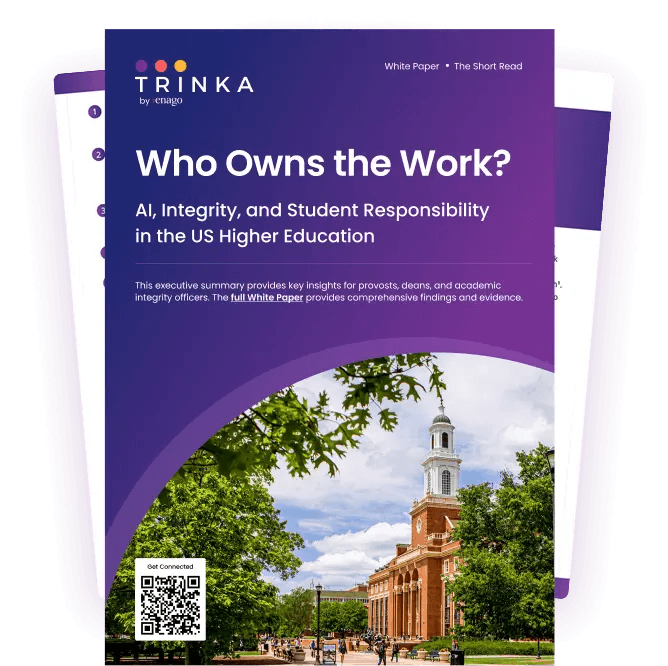
Who Owns the Work? AI, Integrity, and Student Responsibility in US Higher Education
whitepaper As AI becomes part of everyday coursework, universities are redefining what student ownership looks like. Our latest whitepaper explores how institutions can encourage responsible AI use while keeping learning and accountability at the centre.

Read the Whitepaper
webinar
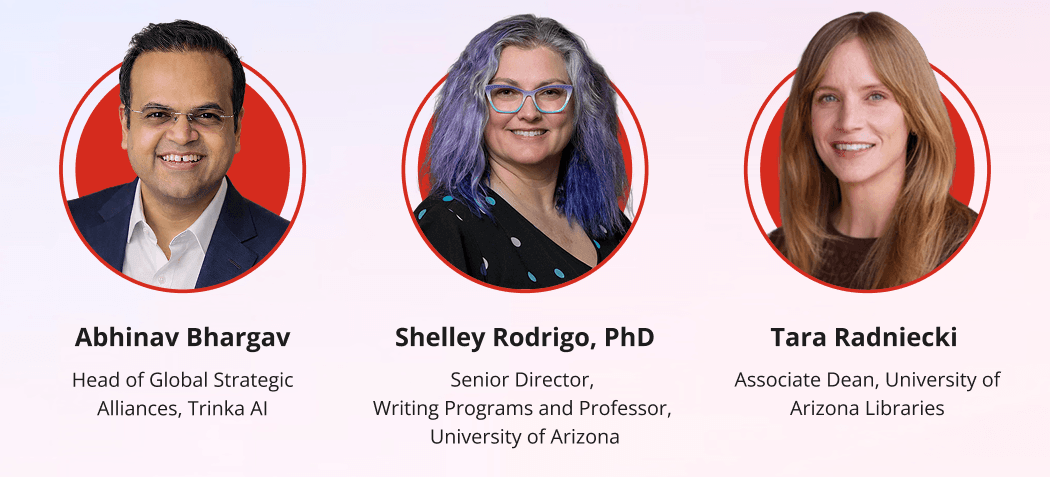
Writing After AI: Rethinking Instruction, Literacy & Assessment
Watch the recap to hear experts discuss how AI is transforming student writing, what literacy means in an AI-driven world, and how transparency in the writing process can support better learning outcomes.
Watch the Discussion
chris
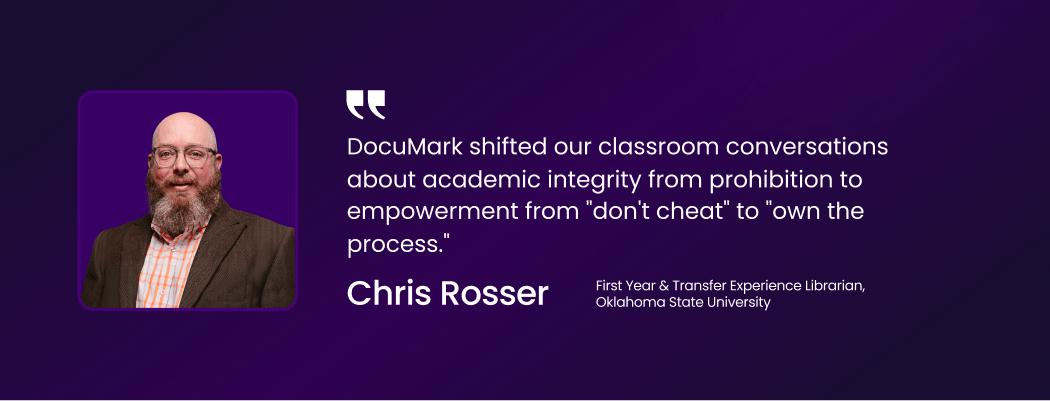
Oklahoma State University Pilot Study
Oklahoma State University explored how greater visibility into the writing process could support meaningful conversations between faculty and students.
The pilot showed how process-based insights can complement traditional assessment and strengthen learning.
Read the Case Study

01
95% of students now use generative AI for coursework. What does this mean for learning?
As AI becomes part of everyday study, many students spend less time researching and refining ideas on their own. That shift could have a lasting impact on critical thinking. Read full article
02
The final submission no longer tells the whole story.
Understanding how an assignment was developed gives educators valuable context that the finished document alone cannot provide. Read full article


See Student Work, Not Just the Final Submission.

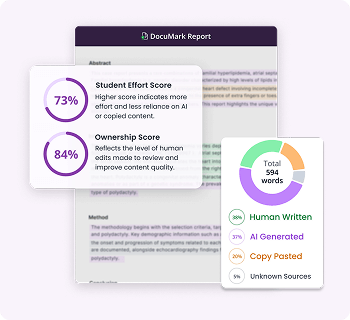
Review every draft and revision to understand how a student's work came together before submission. DocuMark gives faculty verifiable evidence of the writing process, helping integrity decisions rest on the work itself.

Book a demo

documark report
You're receiving this newsletter because you're part of Trinka's academic community.
facebook     twitter    linkedin     instagram