trinka logo Vol 1 | Nov 2025 | View in Browser
Academic Integrity Newsletter
In this edition, we explore the evolving relationship between AI and academic integrity, offering expert perspectives and the latest trends shaping academia.
The Art of Teaching Students to Use AI Ethically in Their Writing
AI can make students better writers when used the right way. Explore how educators can guide ethical AI use that supports learning, reflection, and authentic writing.
Read full blog
Is ChatGPT Helping or Harming Student Writing?
AI tools like ChatGPT are changing how students write but are they improving learning or just making it easier to finish tasks? Explore how educators can turn AI into a tool for student thinking and stronger writing skills.
Read full blog
5 Practical Ways to Combat AI-Assisted Cheating in Academia
AI use in assignments is here to stay, but AI misuse by students doesn’t have to be. Learn five practical ways institutions can encourage responsible AI use while protecting academic integrity.
Read full blog
AI in Education: A Game-Changer or a Risk?
AI in Education: A Game-Changer or a Risk? AI is revolutionizing classrooms, but it’s not without its challenges. This blog explores the potential and pitfalls of AI in schools and how to balance innovation with fairness.
Read full blog
Insights from the Roundtable: AI’s Role in Academic Integrity
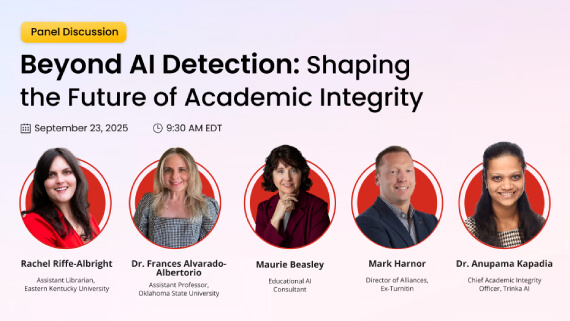
Explore the full discussion from our recent roundtable, where academic leaders shared practical perspectives on integrating AI responsibly in higher education. Gain insights into how institutions are reshaping policies, supporting faculty, and promoting transparency in student learning.
webinar banner
Watch Now

Term of the Month

Authorship Validation

Authorship validation means confirming the true creator of written work through behavioral and process-based evidence.

Global Academic Insights

AI Cheating

The AI Cheating Gap: 40% of Students Break the Rules

Four in ten American students use AI on assignments without permission—yet 65% of educators have caught students cheating with AI tools. This mismatch reveals a critical problem: classrooms lack clear policies on AI use. For educators, the solution isn't just detection—it's creating explicit guidelines and fostering honest conversations about when and how AI belongs in learning.

Source: TOI, Sept 2025


When AI Detection Goes Wrong, Trust Suffers

In Australia, a university recently faced backlash after wrongly accusing thousands of students of using AI to cheat. The incident highlights how over-reliance on AI detectors can damage trust between students and educators—reinforcing the need for transparency, verification, and dialogue before disciplinary action.

Source: ABC News, Oct 2025

DocuMark: Supporting Student Success Through Writing Process Transparency

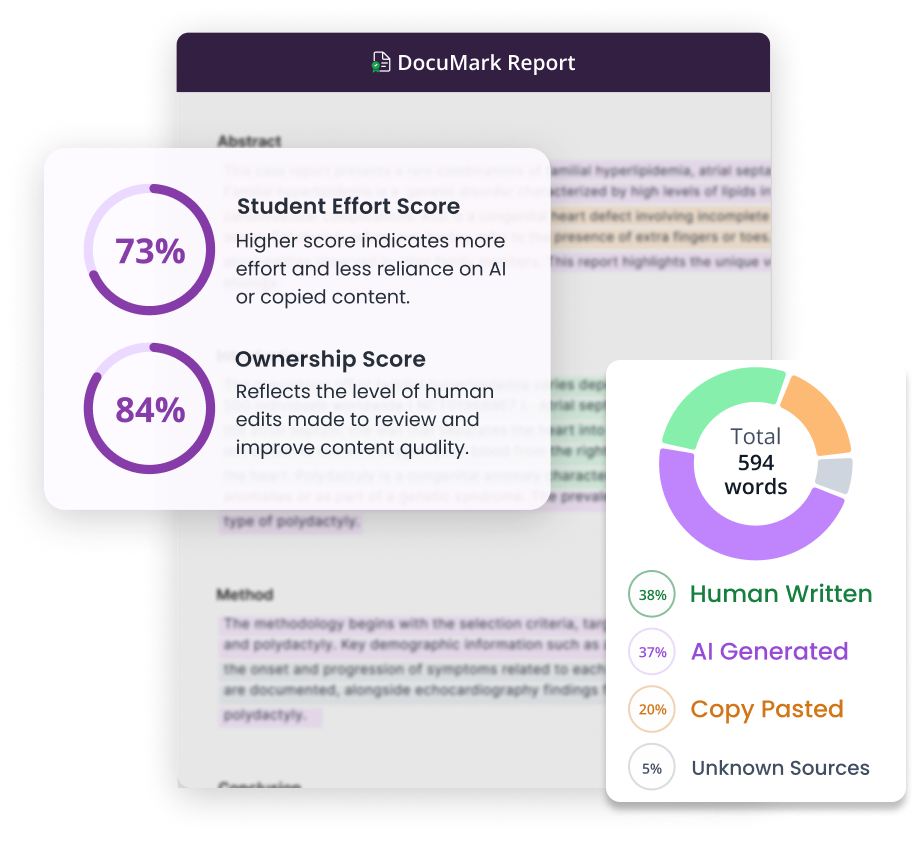
DocuMark gives institutions a clear view into the student writing process. It empowers educators to support responsible AI use, reduces faculty workload, and builds trust between students and faculty—so academic integrity becomes a positive pillar of learning, not a catch-and-punish system.

Talk to our Experts

documark report
Missed a Past Edition?
Browse our complete archive of newsletters, feature updates, and academic resources.
 
Read More
facebook     twitter    linkedin     instagram