|
|||||
|
|||||
|
IN THIS ISSUE Why AI cases are hard to prove · what colleges are changing · Trinka in action · what DocuMark adds |
|||||
|
The problem
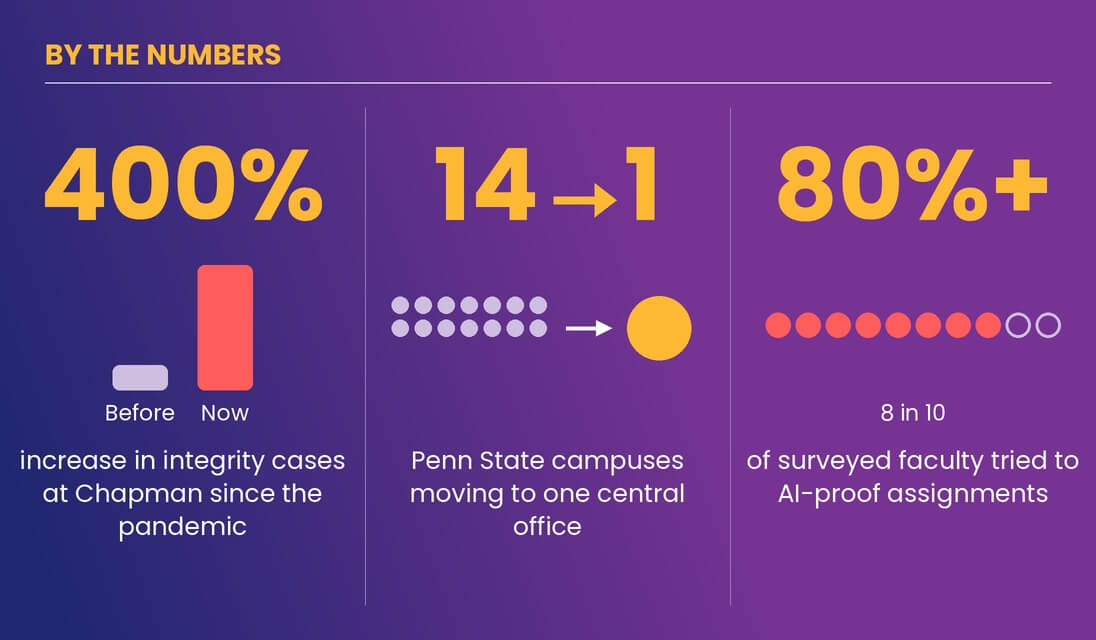
A paper can sound wrong without giving you something to point at.Before AI, plagiarism usually left a trail: you could match a paper to its source. AI can produce new text every time, so there may be nothing to compare. That leaves faculty with a difficult conversation: the work feels unlike the student's own, but a feeling is not evidence. |
|||||
|
What is changing
Colleges are moving from detection to design.The question is becoming less “Can a detector catch this?” and more “What evidence can a student and instructor examine together?” The aim is to protect critical thinking, so students still plan, question, and revise their own ideas. |
|||||
|
|||||
|
|||||
|
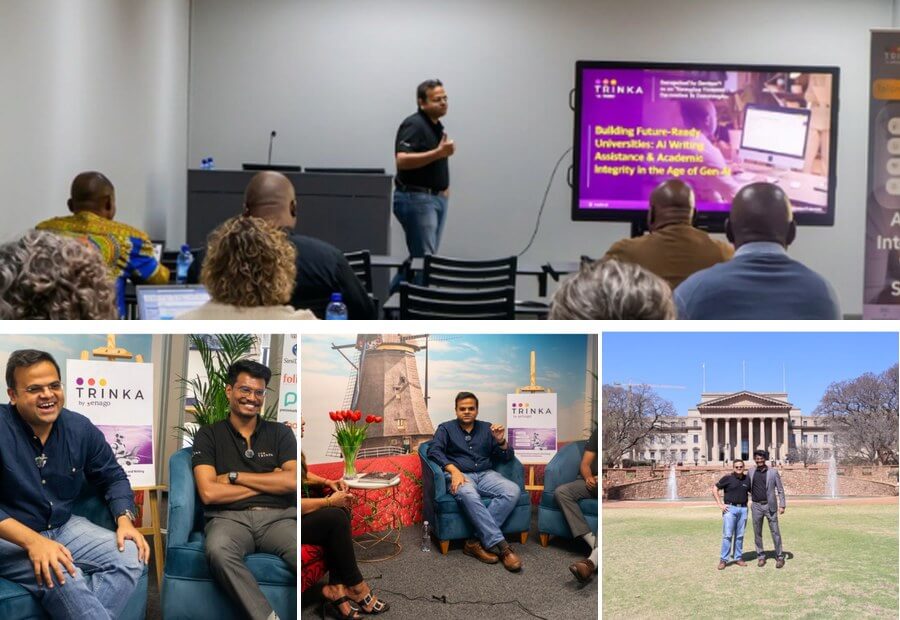
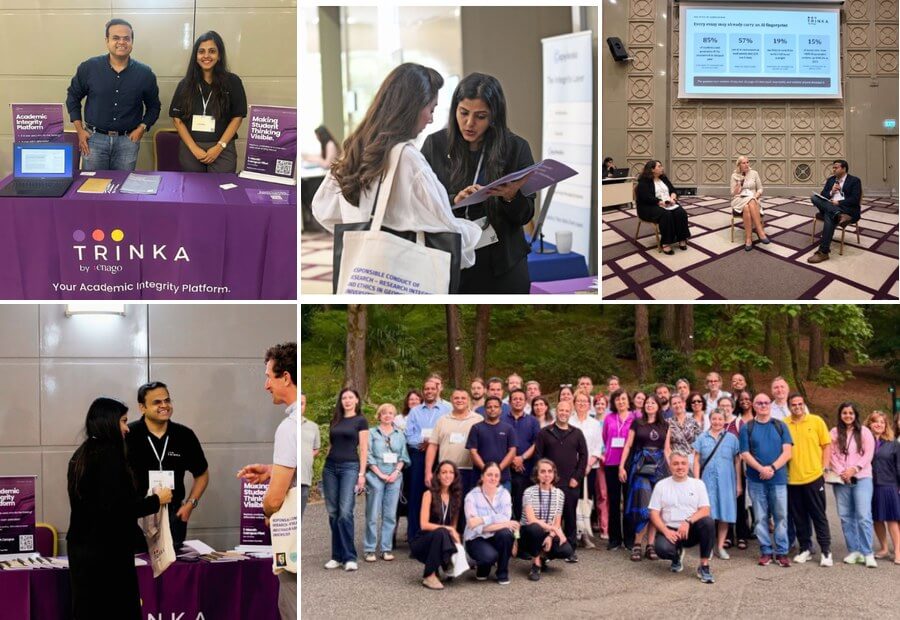
Trinka in Action
On the ground with educators and integrity leaders. |
|||||
|
|||||
|
|||||
|
What DocuMark adds
A record of how the paper was written.DocuMark creates a trail while the paper is being written, so the conversation can focus on what actually happened, not a probability score.
|
|||||
|
Keep reading
The Chronicle of Higher Education: “AI Has Outpaced Academic-Integrity Councils” · 13 August 2026 Know more →Case Western University Center for Innovation in Teaching and Education: AI-aware assessment guidance · 10 August 2026 Know more → |
|||||
|
|||||