Teaching & Learning
- Academic AI policies are determined by individual faculty for each class and course
- Students are prohibited from using AI for class-related assignments unless they receive explicit permission from the faculty member
The law school’s academic policies regarding AI are determined by individual faculty for each individual class and course. It is imperative that students do not use AI for any class related assignment unless they are given explicit permission by the faculty member.
- AI use is prohibited for examinations and assessments unless the faculty member gives explicit permission, because the school bars AI use for any class-related assignment without permission
It is imperative that students do not use AI for any class related assignment unless they are given explicit permission by the faculty member.
- They are encouraged to consult the Career and Professional Development Center for best practices
- Students may use AI as a tool in their job search, but should do so using their own discretion and judgment
While AI may be a tool you choose to use in your job search, you should do so with your own discretion and judgment... Please consult with the Career and Professional Development Center staff for suggested best practices if you choose to use AI in your job search.
Research
Academic Integrity
- Unauthorized use of AI for a class-related assignment constitutes a violation of the Student Honor Code
It is imperative that students do not use AI for any class related assignment unless they are given explicit permission by the faculty member. Failure to do so would constitute a violation of the Student Honor Code.
Institutional & Administrative
- The law school delegates academic AI policy decisions to individual faculty members, who determine the rules for their specific classes and courses
The law school’s academic policies regarding AI are determined by individual faculty for each individual class and course.
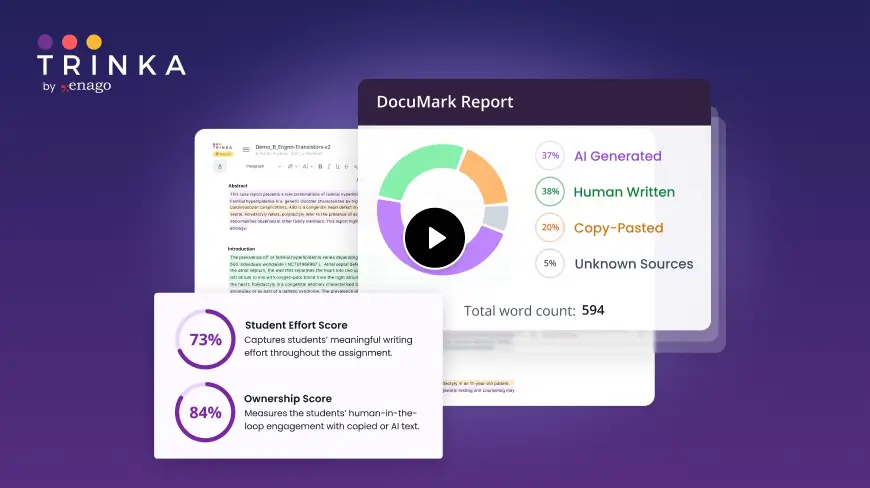
DocuMark: Responsible AI Use for Academic Integrity
Knowing your institution's AI policy is step one. DocuMark helps enforce it fairly by empowering universities to manage AI-generated content, prevent cheating, and support student writing through responsible AI use.
Common Questions About Albany Law School's AI Policies
Albany Law School has defined AI policies in 5 of 12 categories, with an overall coverage score of 42%.
No explicit disclosure requirement is currently defined in the available policy sources.
Unauthorized use of AI for a class-related assignment constitutes a violation of the Student Honor Code.
No explicit data protection or approved AI platform policy is currently defined in the available policy sources.