Teaching & Learning
- The use of AI, including generative AI, for a graded assignment is a violation of the academic honesty policy unless the instructor gives express authorization
The use of artificial intelligence (AI) such as generative AI or other unauthorized electronic devices or services during an examination or for a graded assignment is a violation of The Academy’s academic honesty policy unless expressly authorized by the instructor.
- The use of AI, including generative AI, during an examination is a violation of the academic honesty policy unless the instructor has expressly authorized it
The use of artificial intelligence (AI) such as generative AI or other unauthorized electronic devices or services during an examination or for a graded assignment is a violation of The Academy’s academic honesty policy unless expressly authorized by the instructor.
Research
Academic Integrity
- Violating the academic honesty policy, which includes unauthorized use of AI, may lead to sanctions such as an "F" for the assignment or course, a disciplinary warning, probation, suspension, or dismissal from the Academy
Any violation of The Academy’s academic honesty policy may result in any of the following sanctions: A grade of “F” for the assignment or course. Disciplinary Warning, Disciplinary Probation, Disciplinary Suspension or Dismissal from The Academy.
Institutional & Administrative
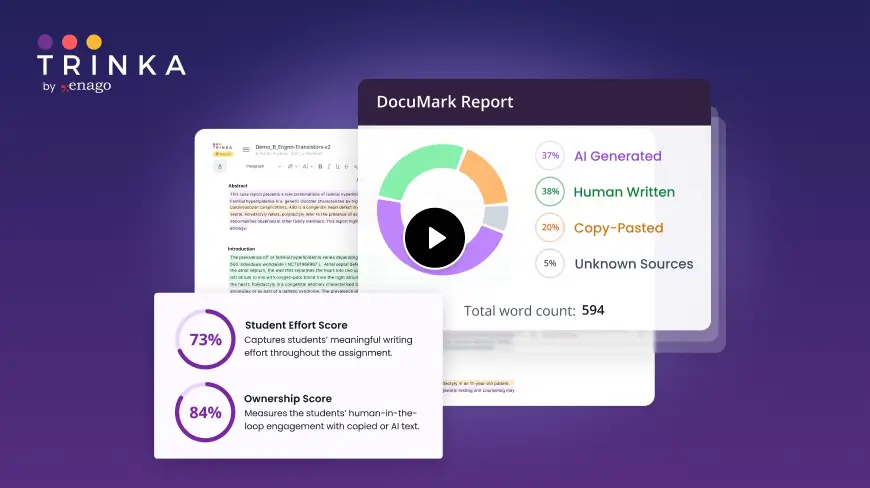
DocuMark: Responsible AI Use for Academic Integrity
Knowing your institution's AI policy is step one. DocuMark helps enforce it fairly by empowering universities to manage AI-generated content, prevent cheating, and support student writing through responsible AI use.
Common Questions About American Academy of Dramatic Arts-New York's AI Policies
American Academy of Dramatic Arts-New York has defined AI policies in 3 of 12 categories, with an overall coverage score of 25%.
No explicit disclosure requirement is currently defined in the available policy sources.
Violating the academic honesty policy, which includes unauthorized use of AI, may lead to sanctions such as an "F" for the assignment or course, a disciplinary warning, probation, suspension, or dismissal from the Academy.
No explicit data protection or approved AI platform policy is currently defined in the available policy sources.