Teaching & Learning
- Use of AI for graded course work is at instructor discretion
- The college says AI may be used when it supports student learning rather than replacing it, and each instructor must set clear class-specific rules that students are required to follow
ANC supports the use of AI in circumstances where it facilitates student learning, and not in circumstances where it replaces student learning. Given the myriad uses of such tools and the great variety of programs of study, this must be determined on a case-by-case basis. Therefore, ANC asserts that it is the responsibility of all ANC instructors to provide clear guidelines regarding the use of AI tools in their classes, and it is the responsibility of all students to know and abide by these guidelines.
- The source does not set a uniform AI rule specifically for exams or quizzes
- Instead, exam-related AI use falls under instructor guidelines and violations of those guidelines are treated as academic dishonesty
Examples: giving or receiving test questions/answers; copying computer files from another student; submitting another’s work as your own; using any method to retrieve information in violation of the instructor’s guidelines.
ANC supports the use of AI in circumstances where it facilitates student learning, and not in circumstances where it replaces student learning. Given the myriad uses of such tools and the great variety of programs of study, this must be determined on a case-by-case basis. Therefore, ANC asserts that it is the responsibility of all ANC instructors to provide clear guidelines regarding the use of AI tools in their classes, and it is the responsibility of all students to know and abide by these guidelines.
- AI use for learning support is permitted when it enhances student learning and does not replace it
- The source says this determination is made case by case, with instructors setting the applicable rules for their classes
Arkansas Northeastern College recognizes that AI tools represent both great disruption and great opportunity. ANC wishes to embrace the use of these tools to enhance outcomes and student learning.
ANC supports the use of AI in circumstances where it facilitates student learning, and not in circumstances where it replaces student learning. Given the myriad uses of such tools and the great variety of programs of study, this must be determined on a case-by-case basis. Therefore, ANC asserts that it is the responsibility of all ANC instructors to provide clear guidelines regarding the use of AI tools in their classes, and it is the responsibility of all students to know and abide by these guidelines.
- The source does not provide a programming-specific AI rule
- Use of AI tools in coding tasks is handled case by case under instructor-issued class guidelines, which students must follow
Given the myriad uses of such tools and the great variety of programs of study, this must be determined on a case-by-case basis. Therefore, ANC asserts that it is the responsibility of all ANC instructors to provide clear guidelines regarding the use of AI tools in their classes, and it is the responsibility of all students to know and abide by these guidelines.
Research
Academic Integrity
Institutional & Administrative
- Instructors are required to provide clear guidelines regarding the use of AI tools in their specific classes
Therefore, ANC asserts that it is the responsibility of all ANC instructors to provide clear guidelines regarding the use of AI tools in their classes, and it is the responsibility of all students to know and abide by these guidelines.
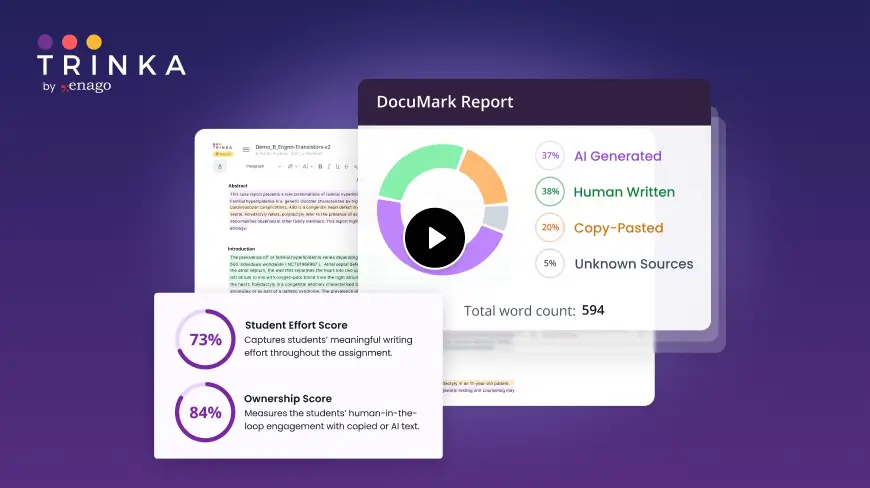
DocuMark: Responsible AI Use for Academic Integrity
Knowing your institution's AI policy is step one. DocuMark helps enforce it fairly by empowering universities to manage AI-generated content, prevent cheating, and support student writing through responsible AI use.
Common Questions About Arkansas Northeastern College's AI Policies
Arkansas Northeastern College has defined AI policies in 5 of 12 categories, with an overall coverage score of 42%.
No explicit disclosure requirement is currently defined in the available policy sources.
No explicit detection or enforcement process is currently defined in the available policy sources.
No explicit data protection or approved AI platform policy is currently defined in the available policy sources.